Ecommerce
Shipping costs are being squeezed by carrier hikes, tariffs, and the Strait of Hormuz crisis. Learn how e-commerce sellers can lock in savings and fund smarter with Uncapped
How often Amazon pays sellers in 2026: the two-week settlement cycle, DD+7 reserve, account level reserves, bank timing and how to plan cash flow around it.
Amazon FBA fee changes 2027: the $0.19 average fulfillment rise from January 15, February 1 storage and low-inventory updates, and how to protect your margins.
IEEPA tariff refunds for small businesses: who can claim, how CBP's CAPE process works, liquidation, deadlines, refund timing and cash flow while you wait.
Ecommerce cash flow after the holidays: a 13-week forecast, payout lags, returns, slow stock and ad spend, plus a 7-day plan to get through January to March.
A sourced roundup of ecommerce funding companies in 2026, from Wayflyer and Clearco to Shopify Capital, inventory funders, credit lines and cash advances.
Ecommerce business loan requirements for 2026: revenue, time trading, credit, bank statements and platform data, and how banks, fintechs and marketplaces vary.
Ecommerce business loan denied? The common reasons lenders say no, what to ask after a decline, how to fix revenue, credit and debt issues, and when to reapply.
Shopify Capital requirements explained: store age, sales, disputes, supported countries and compliance, why you may not see an offer, and what to do next.
Wayflyer vs Clearco vs Uncapped compared on products, repayment, eligibility, geography, speed and cost, so you can work out which fits your ecommerce brand.
How long ecommerce funding takes by lender type, from same-day advances to months for SBA loans, what slows each step, and how to prepare to get funded faster.
What a lender can see when you connect Amazon Seller Central, how authorization and revoking access work, and a checklist to vet any lender before you connect.
What MCA stacking is, why overlapping merchant cash advances drain cash flow so fast, the warning signs, and the realistic ways out with independent advice.
How ecommerce wholesalers fund the gap between paying suppliers and getting paid: PO financing, inventory facilities, factoring, credit lines and term loans.
BigCommerce has no built-in capital program. Compare term loans, lines of credit, revenue-based financing and inventory funding, and how to prepare your store.
How Etsy payouts, fees and reserves create cash flow gaps, how much working capital your shop needs, and which funding options fit Etsy sellers at each stage.
How much can you borrow for an ecommerce business? How lenders size offers from revenue, margins and debt, with a worked example and an affordability check.
Plan an ecommerce loan repayment schedule around Shopify, Amazon and Walmart payouts: daily, weekly or monthly, fixed or share-of-sales, with a worked example.
How to improve cash flow for an ecommerce business: map payouts, control outflows, shorten the cash conversion cycle, forecast 13 weeks and build a reserve.
What can you use a business loan for? Inventory, ad spend, payout gaps, seasonal peaks, supplier deposits and equipment, plus what not to fund with debt.
Use the reorder point formula to know when to reorder: sales velocity, lead time and safety stock, with worked examples and the cash flow side of each order.
The break even ROAS formula with a worked example: what to include in variable costs, how it differs from target ROAS, and why cash timing matters for ad spend.
How to prevent chargebacks in ecommerce: spot friendly fraud, fix billing descriptors, prove delivery, track your dispute ratio and protect your cash flow.
How to negotiate payment terms with suppliers: what to ask for, scripts that work, and a worked example showing how better terms free up ecommerce cash.
Business credit card vs business loan for ecommerce inventory and ad spend: compare costs, repayment and cash flow impact, with a worked example of each.
Ecommerce return rate benchmarks by category, how to calculate yours, why returns hit cash flow harder than the headline rate, and how to plan for January.
TikTok Shop fees in the US for 2026: referral, payment processing, creator commissions, FBT, Smart Promotion and refunds, with a worked margin example.
FBA vs FBM for Amazon sellers: compare 2026 fees, Prime eligibility, returns rules and cash flow, with a worked unit economics example for each model.
UPS and FedEx raise rates 5.9% on average for 2027, and USPS adds an 11% fuel surcharge. See what changes, model the impact and protect your margins.
Form 1099-K for ecommerce sellers: the $20,000 and 200-transaction threshold, state rules, reconciling gross payments and planning cash for tax.
Can you refinance a merchant cash advance? How MCA refinancing, consolidation and settlements work, what they really cost, and what to ask any lender.
Can you get an ecommerce business loan with no personal guarantee? How guarantees, liens and credit checks work, and what to ask any lender before you sign.
Net 60 payment terms in ecommerce: how much cash they free up, what they really cost, and when borrowing beats stretching your supplier terms.
Amazon vs Shopify profit margin on a $100 order: the full fee stack, contribution margin, break-even ROAS, and how to choose your channel mix in 2026.
Calculate your ecommerce cash conversion cycle with DIO, DSO and DPO, compare benchmarks by revenue tier and channel, and shorten it to free up trapped cash.
How to clear excess inventory in ecommerce: classify dead stock, price the 25% carrying cost, work a cash-recovery ladder and fund only stock that sells.
Walmart Marketplace Q4 2026 fees explained: WFS peak storage rises to $2.25 after 30 days, long-term tiers now apply, plus per-unit examples and inbound timing.
Work out inventory financing ROI with GMROI, sell-through and an annualized cost of capital, plus a clear test for when borrowing for stock pays off.
Build a 13-week ecommerce cash flow forecast timed to Shopify and Amazon payouts, with guardrails for inventory, ad spend and when to arrange funding.
No Stripe Capital offer? Compare Stripe Capital alternatives for ecommerce brands, how to annualise a flat fee, and which funding fits your channel mix.
Payability alternatives for Amazon and marketplace sellers compared: daily payout tools, TikTok Shop Capital and growth funding, with fees and eligibility.
Compare Shopify Capital alternatives for 2026: Capital Flex, Wayflyer, Clearco, Onramp Funds, Kickfurther and Uncapped on fees, repayment and eligibility.
How subscription ecommerce brands fund CAC payback gaps, inventory and growth without dilution: payback maths, funding options and a capital-stack plan.
How ecommerce baby and kids brands fund inventory, compliance and marketing without giving up equity, with real brand examples and a step-by-step funding plan.
How home goods ecommerce brands fund inventory, seasonal peaks and marketing without dilution, with funding options compared and real brand stories.
How food and beverage ecommerce brands fund perishable stock, marketing and channel growth without dilution, with real brand examples and a planning framework.
Funding for ecommerce pet brands: compare non-dilutive options, equity and grants, see how NutriPaw scaled 5x on Amazon, and prepare your brand for funding.
Shopify Payments payout on hold? Why holds and rolling reserves happen, how they hit cash flow, what to send Shopify, and how to bridge the gap meanwhile.
Ecommerce funding glossary: plain-English definitions of RBF, MCAs, factor rates, APR, holdbacks, UCC liens, reserves and DD+7 for online store founders.
How to fund an ecommerce product launch without giving up equity: map pre-revenue costs, size your ask, and match inventory and ad spend to the right capital.
Does paying off ecommerce financing early save money? How early repayment works for MCAs, revenue based financing, lines of credit and term loans.
How to fund your first big-box retail order: map the cash gap, then compare PO financing, factoring and working capital to cover deposits and Net 60-90.
Term loan vs revenue based financing for ecommerce: compare cost, repayments, eligibility and speed, with worked examples to help you pick the right fit.
Compare Amazon Lending, Walmart Marketplace Capital and TikTok Shop Capital with independent funding, and build the right non-dilutive mix for your store.
How repeat funding works for ecommerce brands: renewals, top-ups and rolling capacity compared, why none is guaranteed, and what to ask any funder.
How purchase order financing works for ecommerce brands, what it costs, who qualifies, and when a term loan is a better way to fund large inventory orders.
How Amazon lending works for sellers in 2026: the third-party lenders inside Seller Central, what to do without an invite, and how to compare offers.
Settle alternatives compared for 2026: how Uncapped, Wayflyer, Shopify Capital, Onramp Funds and Kickfurther differ on funding size, repayment and best fit.
Compare five 8fig alternatives for ecommerce and B2B brands: Uncapped, Wayflyer, Clearco, Shopify Capital and Resolve Pay on cost, reliability and fit.
Onramp Funds alternatives compared for 2026: how Onramp, Uncapped and Choco Up differ on eligibility, funding amounts, fees, repayment and speed.
Blanket liens, payment floors and discretionary default clauses: how to spot the hidden fees in an ecommerce funding contract before you sign anything.
Comparing Wayflyer alternatives in 2026? See how Uncapped, Clearco, 8fig, Shopify Capital and others compare on cost, repayment, eligibility and product mix.
Clearco alternatives compared for 2026: fees, daily sweeps, exclusivity clauses and repayment terms, plus how Uncapped, Wayflyer and Shopify Capital stack up.
Black Friday Q4 inventory financing for ecommerce: the real 2026 timeline from supplier deposits to FBA cutoffs, and when to apply so capital lands in time.
How a merchant cash advance works for ecommerce brands: factor rates, holdbacks, real provider terms, the true annualized cost and the alternatives to compare.
Compare Shopify Capital with Wayflyer, Clearco, 8fig and Uncapped on eligibility, cost, repayment and platform lock-in, and pick the right fit for your store.
How ecommerce loan repayments behave when sales slow: fixed installments vs sales-linked repayment, worked examples, and steps to protect your cash flow.
Does an ecommerce funding application hurt your credit score? How soft and hard checks work, what lenders look for, and how to protect your credit as you apply.
How ecommerce lenders calculate offers, step by step: the data they connect, how offer size and pricing are set, and how to compare factor rates and fees.
Bootstrapping vs financing ecommerce: compare ownership, cash flow and cost of capital across bootstrapping, equity and non-dilutive funding for your brand.
Six non-dilutive providers compared on speed, repayment model, eligibility and best-fit use case, so you can match the structure to your own cash cycle.
Walmart's Parafin-powered capital programme, its Onramp and Lendistry partners, and what to do when you fall outside Walmart's eligibility rules.
How TikTok Shop Capital and Early Settlement actually work, when an external facility beats an invitation-only programme, and how to evaluate both in a week.
How to fund stock, marketing and logistics for a new market without an equity round, with the Vetevo and Souvy expansion stories.
When a Shopify store needs a term loan and when it needs a revolving line, compared against Shopify Capital, bank and SBA options on cost, speed and eligibility.
How Amazon calculates account-level reserves and DD+7, what that does to your cash cycle, and the funding and operational fixes that close the gap.
Each sales channel pays out on its own clock. How to model working capital across Amazon, Shopify, Walmart, TikTok Shop and wholesale, and which lenders underwrite all of it.
The two structures brands use to fund paid media before the revenue lands, how to tell whether borrowing for ads pays, and where a flexible advance beats an ad-only product.
Why beauty ecommerce is capital-intensive, how formulation, MOQ jumps and paid acquisition create the cash gap, and which funding options fit each one.
How fashion brands fund seasonal collections, size runs and returns-heavy cash cycles without an equity round, with three Uncapped case studies.
The seven things ecommerce lenders ask for, in the order you would gather them, and why a connected-accounts application is lighter than a bank or SBA package.
How a revolving line of credit works for ecommerce cash cycles, who it suits, and how Bluevine, Fundbox and Uncapped compare by business stage.
Amazon Lending, term loans, lines of credit and cash advances compared for Amazon sellers: speed, cost, personal guarantees and who qualifies.
How to compare ecommerce term loan lenders on true cost, repayment structure, funding speed and eligibility, with a side-by-side of eight lenders.
Kickfurther, Uncapped, Onramp Funds, Fundbox and Clearco compared on cost, repayment structure and eligibility for financing ecommerce inventory.
The six non-bank, non-VC funding options open to early-stage ecommerce startups, what each needs to qualify, what it costs, and when you're not ready yet.
Why Amazon payouts can take up to 35 days, how daily payout services close the gap, what they cost, and how to compare daily-fee and volume-based pricing.
How one ecommerce term loan can fund both inventory and the marketing to sell it, with worked Q4, launch and restock scenarios, and when not to use one.
How Amazon FBA sellers can fund Q4 2026: size your peak-season funding gap, compare Amazon Lending, term loans and lines of credit, and time it right.
How ecommerce brands fund inventory without giving up equity: how inventory financing works, the main options available, the risks to watch, and how to pick the right structure.
News
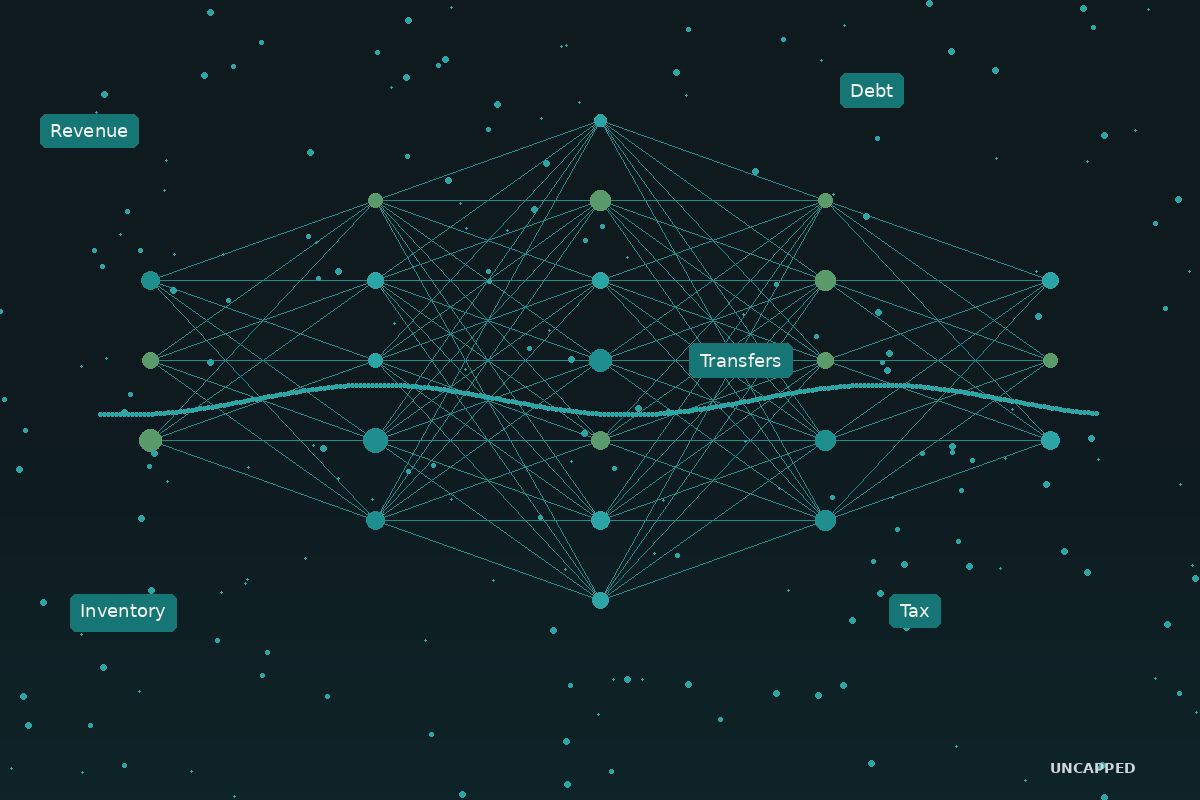
How Uncapped built a purpose-built transformer model for bank transaction categorisation that reaches 97-99% accuracy on the categories that matter most for eCommerce lending.
From April 15, Amazon will deduct ad costs directly from your sales proceeds. Here's what that means and how much it costs you.
Amazon's 3.5% fuel surcharge hits FBA fees from April 17. See exactly what it costs your business by weight tier and how to protect your margins.
In the ever evolving, highly dynamic and hugely competitive industry that is fashion, brands need to use every weapon at their disposal in order to achieve their desired growth. One of these weapons is having a robust working capital
The beginning of the year is a fantastic time for reinvention and as consumers look to right their holiday wrongdoings, health is high on the agenda as we march into a new year. For health and wellness brands this poses a huge opportunity to attract, obtain and retain customers. But how? In this article we dive into some of the tactics health and wellness brands can employ to win the customer acquisition wars.
As we look ahead to what promises to be a great year for ecommerce, Uncapped have pulled together a list of 11 trends that are not to be overlooked by brands in 2024 should they wish to stand out, remain competitive and continue their success.
Angel investors are a crucial source of funding for startups and early-stage companies. However, Angels can be a highly selective bunch and therefore securing angel investment can prove incredibly challenging especially when it comes to outreach, pitching and appropriately contextualising your business. Therefore, along with a number of Uncapped's angel friends, we have put together some do's and don'ts when it comes to approaching angels for investment.
Chinese New Year can cause significant delays and disruptions in the supply chain leading to issues for brands, who import from the far east, looking to provide unparalleled customer experience. In this article, we will discuss the impact of the Chinese New Year on supply chains and provide tips on how to best prepare and avoid delays during this holiday season.
Q4 is the ideal time to get new customers interested in your products as they go about their holiday shopping. But how can you make sure these customers keep coming back for more?
While a lot of focus is directed at pre-Black Friday preparations, it is equally important to have a post-Black Friday strategy to maintain momentum, convert first time buyer into loyal customers and drive revenues beyond the large sales weekend. So in this article, we explore a few of the ways in which brands and sellers can ensure continued success beyond Black Friday and Cyber Monday.
Change is constant in the early stage of business growth but having dedicated and curious individuals helps to weather the storm and overcome any obstacles that arise. For Uncapped, Rudy has been that person having been with the company from the early days. We sat down with him to find out a little bit more about him, his journey to date and his hopes for the future.
OpenAI walked back in-app checkout. For Amazon and Shopify sellers, this isn't a retreat — it's a starting pistol for the agentic commerce era.
Meta is moving some DTC advertisers away from credit card payments and onto monthly invoicing. Here's what that means for ecommerce cash flow and how a line of credit can help.
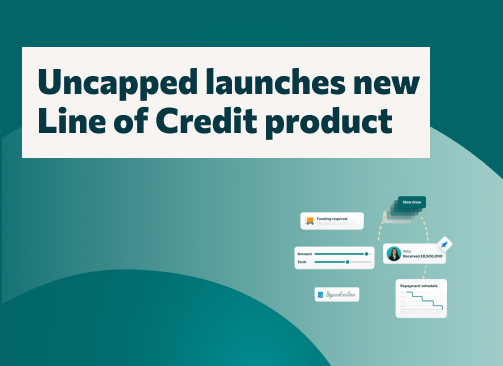
PRESS RELEASE: Fintech lender Uncapped today announced the launch of a revolutionary new product, Line of Credit, aimed at empowering brands, retailers and sellers and providing ultimate certainty, flexibility affordability and ease to business financing.
SaaS
When it comes to startups and venture capital, founders often turn one question over and over in their heads: “When should I raise money?” It can be hard to get that question to go away, because the answer tends to feel disappointingly vague: “Whenever you can.”
For startups, equity has long been the primary mechanism for accessing cash. Whether in a friends-and-family round to get things off the ground or a Series B to accelerate growth, founders trade equity shares for cash that can fuel the business over the coming months or years.
The fundraising game is one that as a SaaS founder, you will inevitably have to play. The avenues you explore and the funding methods you employ are up to your own preference & vision for your company’s growth. In this article, we will have a look inside the black box of VC funding, and explore a common benchmark; ‘The Rule of 40.’
We've put together the ultimate guide to funding your SaaS start up. We break down when the time is right to seek investment, the main sources of funding, the five most common stages of SaaS funding, and how to bump up your chances of getting funded.
There are multiple different SaaS loans available to companies at different stages of growth. Here's a rundown of the most common and how founders can apply to get started
PRESS RELEASE: The new partnership helps companies fund their migration to the BigCommerce platform with a free capital advance.
PRESS RELEASE: We have partnered with cash flow management platform Friday Finance to bring revenue-based financing to digital businesses in Germany
Subscribe for exclusive access