Amazon's US FBA fee changes for 2027 land in two waves: fulfillment fees rise from January 15, 2027 by $0.19 per unit on average, and storage and inventory-level rules change from February 1, 2027. If you sell through Fulfillment by Amazon, those dates matter because the new fee structure can compress margins and tighten cash flow across your catalog.
The headline number: FBA fulfillment fees will increase by $0.19 per unit on average, roughly 0.8% of the average item's selling price. The 3.5% fuel and logistics related surcharge stays unchanged. On the storage side, Amazon will eliminate the storage utilization surcharge, fold the aged inventory surcharge into a single age-based monthly storage fee, and narrow the low inventory level fee so it only applies when inventory falls below 28 days of supply.
For Amazon sellers and e-commerce brand founders using FBA, the average only shows the direction; it does not tell you what happens to your specific SKUs, pricing, or replenishment plan. This article breaks down each 2027 fee change with verified figures, maps the timeline, shows the effect on margins and working capital, points to modeling tools to estimate SKU-level impact, and outlines how to adjust pricing, inventory, and advertising before the new fees take effect. Everything here is written from Uncapped's perspective: we fund e-commerce brands, and these fee changes directly affect the working capital our customers need.
Timeline: When the 2027 Amazon FBA Fee Changes Take Effect
Not all Amazon FBA fee changes land on the same day. Sellers need to plan around two main dates and check for program-specific adjustments beyond these.
- January 15, 2027: Updated FBA fulfillment fees (pick, pack, ship, returns processing). The ongoing 3.5% fuel and logistics surcharge continues to apply on top of fulfillment fees. Holiday peak fulfillment fees end, Low-Price FBA rates narrow to fewer categories, and returns processing changes begin for apparel and shoes.
- February 1, 2027: Removal of the storage utilization surcharge. The aged inventory surcharge merges into a unified age-based monthly storage fee. The low inventory level fee moves to a 28-day-of-supply threshold. Returns processing fee changes for non apparel categories with high return rates also begin.
Amazon may stagger smaller program-specific changes for multichannel fulfillment, remote fulfillment, and Amazon Warehousing & Distribution (AWD storage fees update March 1, 2027). Check Seller Central and Amazon's official 2027 US referral and FBA fees documentation for product-specific dates.
FBA Fulfillment Fees 2026 vs 2027: What the Average $0.19 Increase Really Means
FBA fulfillment fees cover pick, pack, ship, customer service, and returns handling. They are variable fees charged per unit sold, and they make up one of the largest line items in most Amazon sellers' cost structures. The 2027 update raises these costs across the board, though by different amounts depending on what you sell.
The average increase is $0.19 per unit, equal to about 0.8% of the average selling price, but sellers should not treat that headline figure as a flat fee across all products. Fulfillment fees still vary by size tier, category, and price band. Products priced under $10 follow low price FBA rates. Products priced above $50 see different adjustments. Apparel, dangerous goods, the current large bulky tier, current small bulky tier, and oversize tiers each have separate rate cards. Some products, such as large standard-size items under $10, see no change, while others, particularly small standard-size items priced above $50, face steeper increases.
The 3.5% fuel and logistics related surcharge is charged on top of the core FBA fulfillment fee. That logistics related surcharge applies to the new, higher base fee, so the dollar amount of the surcharge rises even though the rate itself does not change. For a deeper breakdown of how the fuel surcharge works and how to model it, we covered it in detail earlier this year.
Worked Example: How a $0.19 FBA Fee Change Hits Per-Unit Profit and Monthly Cash Flow
A small per-unit increase compounds fast at volume. Here is a simplified example using realistic but clearly labeled numbers.
The product: A $24.99 private-label kitchen tool. Sells 2,000 units per month. Gross margin before FBA fees is 35%, or about $8.75 per unit.
The math:
| Line item | 2026 (illustrative) | 2027 (illustrative) |
|---|---|---|
| FBA fulfillment fee per unit | $4.75 | $4.94 (+$0.19) |
| 3.5% fuel surcharge | $0.17 | $0.17 |
| Per-unit profit after FBA fees | $3.83 | $3.64 |
| Monthly profit (2,000 units) | $7,660 | $7,280 |
The FBA fulfillment fees rise by $0.19 per unit sold, costing this seller an extra $380 per month, or $4,560 per year. That is cash no longer available to reorder inventory or fund ads.
Due to fee increases, low-margin products may become less profitable or break even entirely. The seller here faces a choice: raise prices, cut ad spend, trim low-margin SKUs, or bring in additional capital to bridge the gap while new pricing takes hold. Higher fulfillment costs affect advertising contribution margins directly, because every dollar of additional FBA cost reduces the amount you can spend on ads before a sale turns unprofitable.
Storage & Inventory Fees: What Changes From February 1 2027
Fulfillment fees get the headline, but storage costs can quietly exceed them for catalogs with slow-moving inventory. The February 1 changes restructure how Amazon charges for warehouse space.
Storage utilization surcharge: eliminated. This was a fee for holding disproportionately large inventory relative to recent sales. Amazon will remove it entirely on February 1, 2027, making storage costs easier to predict.
Aged inventory surcharge: folded into a unified fee. Instead of a base monthly storage fee plus a separate aged inventory surcharge, Amazon introduces a single age-based storage rate. Inventory selling within six months will incur flat or lower fees. Stock held beyond six months will face significantly higher costs. For context, the 2026 monthly storage fee for standard-size items is $0.78 per cubic foot from January to September; check Amazon's 2027 rate card for the new age bands.
This simplification rewards faster inventory turnover and penalizes slow, overstocked products. Sellers with fast-moving inventory may benefit from revised storage fees, while end of life products or seasonal items sitting past their window will cost materially more. If you are carrying excess inventory that needs clearing, doing it before February makes financial sense.
Monthly storage fees still vary by product type and size. Peak months (October–December) carry higher per-cubic-foot charges than the January–September baseline. Check Amazon's Seller Central documentation for exact age brackets and rates across eligible fee categories and the following fee categories that apply to your catalog.
Low-Inventory-Level Fee: Updated Rules and What “Under 28 Days” Really Means
The low inventory level fee exists to discourage chronic understocking. Amazon wants fulfillment centers stocked well enough to support fast delivery; purchase rates rise over 20% with faster delivery times, which benefits both Amazon and sellers.
From February 1, 2027, this fee will generally apply only when your days of supply fall below 28 days. Previously, the assessment used trailing 30- and 90-day sales volumes, which could penalize sellers during normal restocking lags or unexpected demand spikes. Amazon will now assess low-inventory-level fees over a wider four-week window, evaluating sales and actual shipments both four weeks before and four weeks after the assessment date. This should reduce instances triggered by short-term fluctuations and better reflect ongoing demand patterns.
The trade-off is real: keeping more than 28 days of inventory avoids this fee but can push aging stock into higher storage fee brackets if items do not sell quickly. How much inventory you hold becomes a balancing act between two fee categories.
High-level strategies include more frequent, smaller shipments, better demand forecasting against actual demand, and using external 3PLs as overflow buffers. The tactical details come next.
Average Increase vs. Your Actual Amazon FBA Fees
The $0.19 per unit on average figure can be misleading for individual brands. Amazon's fee structure is tiered, and your actual increase depends on several factors:
- Product size tier: small standard, large standard, and the reworked bulky and oversize tiers (two bulky tiers become four, and extra-large becomes six oversize tiers)
- Weight: dimensional weight vs unit weight, whichever is greater
- Price band: products priced under $10 (low price FBA), $10–$50, or above $50
- Category: apparel vs non apparel categories, dangerous goods, low price eligibility thresholds
- Special handling: the overmax handling fee for oversized items is replaced by flat product and overhang handling fees
Some compact, high-ticket SKUs may see larger increases as a percentage of profit. Heavier, low-margin items may get hit harder in absolute dollars. The average increase masks this variation, so review changes at the SKU level rather than assuming the 2027 update works like a flat fee.
Sellers should analyze individual SKU profitability to manage cost impacts effectively. Pull fee reports, compare 2026 vs 2027 estimates at account and product level in Seller Central, and flag any SKU where the new fees push you below your minimum margin threshold before the next replenishment cycle.
How to Model the 2027 Fee Changes: Amazon's Fee Change Comparison Dashboard & Tools
Amazon provides two main tools to model fee scenarios before the changes arrive:
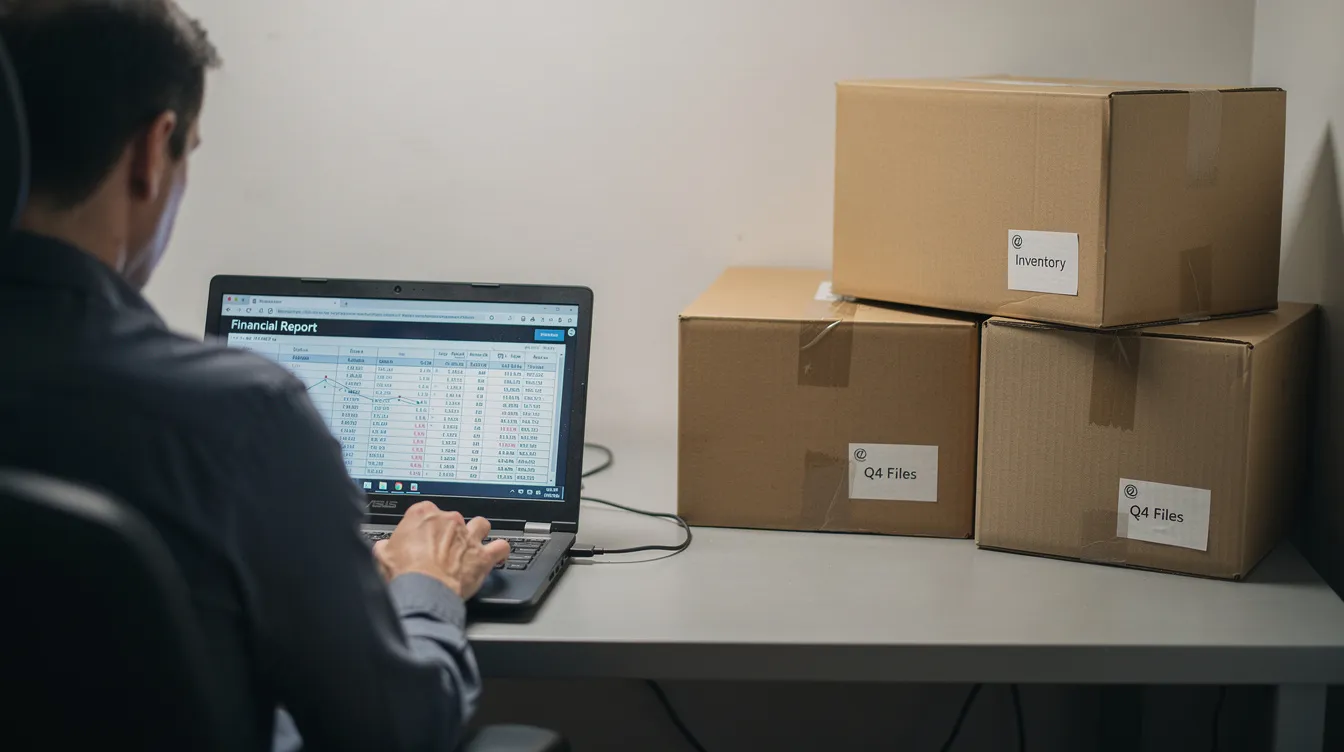
- Fee Change Comparison dashboard (inside Profit Analytics): Compare 2026 vs 2027 FBA fulfillment fees, storage fees, and other costs at the account and SKU level. Filter by eligible fee categories, sort by largest dollar or percentage increase, and identify the SKUs that need immediate attention. This is the best place to see updating fees across your catalog.
- Revenue Calculator: Test different offer prices, compare FBA vs FBM scenarios, and estimate profitability under the new fee structure. Useful for evaluating sales assumptions, checking whether a price increase makes sense, or deciding if a low-margin SKU should stay in FBA.
Use these tools as your primary reference. Amazon's own data reflects the actual fee change, including any category-specific adjustments to referral, fulfillment and storage fees. If you need more granularity, export the results into a custom spreadsheet to track changes across your full catalog over time. You can also build your own fee change comparison dashboard to model your cash flow forecast alongside the fee data.
Practical Playbook: Preparing Your Pricing, Inventory, and Ads Before January 15
Sellers have a limited window before January 15, 2027. The fee changes are not optional. What is optional is whether you adjust in advance or react after the margin hit lands.
Pricing and margins:
- Pull updated FBA fees by SKU from the fee change comparison dashboard
- Recalculate per-unit profit including the new fulfillment fee, 3.5% surcharge, and projected storage costs
- Raise prices on SKUs where the margin drop crosses your threshold; consider end of season clearances for SKUs that no longer work
Inventory:
- Tighten reorder points to avoid slow-moving stock aging past 180 days under the new unified storage rate
- Plan smaller, more frequent shipments to maintain above 28 days of supply without overstocking
- Tighter inventory turnover will be crucial after fee changes; review your inventory assessment cadence now
Advertising:
- Update break-even ACOS and ROAS targets to reflect higher fees per unit sold
- Pause or reprice loss-making campaigns where the FBA fee increase eliminates the margin that justified the ad spend
- E-commerce businesses may need to adjust product pricing and ad budgets simultaneously to maintain profitability
The fee changes may place pressure on e-commerce businesses to optimize cash flow across inventory, pricing, and ads at the same time. That pressure is easier to manage when you plan before January 15 rather than scramble after.
Cash Flow Impact of 2027 Amazon FBA Fees – and How Uncapped Can Help
Even a modest FBA fee increase creates working capital gaps at scale. A seller moving 5,000 units per month loses nearly $1,000 in monthly margin from the fulfillment fee alone, before accounting for storage cost changes on aged inventory.
The changes are particularly important for e-commerce and digital founders needing funding to cover higher upfront fees, longer inventory cycles, or tighter ad-to-stock timing. Higher fees per unit mean you collect less per sale, but your inventory purchase orders and ad invoices do not shrink to match.
We provide non-dilutive funding for Amazon FBA sellers and other online brands: Term Loans with one fixed fee from 0.7% per month, and for US Amazon sellers a Line of Credit, a Cash Advance and early access to Daily Payout. There is no equity taken, no personal guarantee and no hidden fees, and many Amazon offers arrive in minutes.
Ways sellers can use our capital around fee changes:
- Financing an optimized Q1 2027 inventory buy: purchasing the right quantity to stay above 28 days of supply without overbuying into higher storage costs
- Bridging margin compression: covering the working capital gap while new prices and ad strategies take effect
- Funding diversification: moving volume to other channels to reduce Amazon fee exposure as part of an omnichannel capital strategy
If you are an Amazon seller with 6+ months of trading, doing at least $10K per month, and the January 15 or February 1 changes put pressure on your margins, explore your funding options before the new fees arrive.
FAQ: Quick Answers on 2027 Amazon FBA Fee Changes
Are Amazon FBA fulfillment fees going up in 2027?
Yes. FBA fulfillment fees in the US will rise by an average of $0.19 per unit beginning January 15, 2027, representing roughly 0.8% of the typical average selling price. This increase is separate from the 3.5% fuel and logistics surcharge, which remain unchanged and apply on top of the new fees. Actual changes vary by product; the worked example and SKU-level guidance above show how to calculate your specific impact.
When do the 2027 Amazon FBA fee changes take effect?
Most FBA fulfillment fee changes start on January 15, 2027, affecting shipments from that date onward. Storage, aged inventory, and low-inventory-level fee updates take effect from February 1, 2027. Sellers should confirm any program-specific timelines (including AWD changes starting March 1) directly in Seller Central and the official 2027 US referral and Fulfillment by Amazon fee documentation. Plan pricing and inventory adjustments before these dates, not after.
Does the fuel and logistics surcharge change in 2027?
No. The 3.5% fuel and logistics related surcharge on FBA fulfillment fees remains unchanged in 2027. This logistics related surcharge applies on top of the core FBA fulfillment fee, so while the rate stays the same, the dollar amount increases slightly because it is calculated on a higher base fee. Include it in all profitability calculations for 2027.
How can I estimate my own FBA fee changes for 2027?
Use Amazon's fee change comparison dashboard in profit analytics to compare 2026 vs 2027 fees by SKU, covering fulfillment fees and storage costs at account and product level. The revenue calculator lets you test different prices, fulfillment methods, and inventory assumptions under the new fee structure. Export the results and build your own tracking spreadsheet for more granular planning. Do not rely on averages or treat the 2027 update as a flat fee; model fee scenarios at the SKU level to catch the items where lower fees or higher fees deviate significantly from the $0.19 average.